From Treatment to Real Life: The Skills That Make Addiction Recovery Sustainable

Completing an addiction treatment program is a life-changing achievement, but it is only the beginning of the recovery journey. The real test often begins after treatment ends, when individuals return to work, family responsibilities, social situations, and everyday stress. Lasting sobriety depends on much more than completing detox or finishing a rehabilitation program. It requires practical skills that help people navigate life’s challenges with confidence, resilience, and purpose. Sustainable recovery is built one healthy decision at a time, supported by the right tools, professional guidance, and a strong support system.

At Addiction Rehab Success, we believe successful recovery is about empowering individuals to build a fulfilling life beyond addiction. Through comprehensive addiction recovery services, mental health treatment, inpatient and outpatient programs, and holistic and faith-based approaches, we help clients develop the life skills that support lasting sobriety and personal growth.

Why Recovery Continues After Treatment

Treatment provides a safe environment to begin healing, but recovery truly comes to life after an individual returns to everyday routines. This transition can be both exciting and challenging.

Applying New Skills in Everyday Situations

During treatment, individuals learn valuable coping strategies and healthier ways of thinking. Once they return home, those lessons become practical tools for handling real-life situations such as workplace stress, family responsibilities, and unexpected setbacks.

Every challenge becomes an opportunity to strengthen recovery rather than weaken it.

Building Confidence Through Practice

Recovery skills become stronger through consistent use. The more individuals practice healthy behaviors, the more natural those behaviors become. Confidence grows with every successful decision made in support of sobriety.

Emotional Skills That Strengthen Long-Term Recovery

Managing emotions in healthy ways is one of the most important aspects of sustainable recovery.

Recognizing Emotional Triggers

Understanding personal triggers allows individuals to recognize warning signs before cravings become overwhelming. Emotional awareness makes it easier to respond thoughtfully rather than react impulsively.

Developing Healthy Coping Strategies

Recovery programs teach healthier ways to manage stress, disappointment, anxiety, and frustration. Effective coping techniques may include:

  • Mindfulness and meditation
  • Regular exercise
  • Journaling
  • Deep breathing exercises
  • Spending time in nature
  • Creative hobbies
  • Speaking with trusted support people

These strategies provide healthy alternatives during difficult moments.

Strengthening Emotional Resilience

Every recovery journey includes challenges. Emotional resilience helps individuals recover from setbacks while remaining committed to long-term goals. Instead of viewing obstacles as failures, they become opportunities for continued growth.

Practical Life Skills That Promote Independence

Recovery is about creating stability in every area of life.

Time Management and Healthy Routines

A structured daily routine provides consistency and reduces unnecessary stress. Maintaining regular sleep schedules, meal planning, work responsibilities, therapy appointments, and self-care activities creates balance and supports emotional wellness.

Financial Responsibility

Managing finances responsibly helps reduce anxiety and creates greater independence. Learning budgeting skills and planning for future expenses supports long-term stability.

Problem-Solving and Decision-Making

Life presents unexpected challenges. Developing thoughtful decision-making skills helps individuals evaluate situations carefully and make choices that align with their recovery goals.

Building Healthy Relationships

Strong relationships often become one of the greatest sources of encouragement during recovery.

Setting Healthy Boundaries

Protecting recovery sometimes requires limiting contact with unhealthy influences or environments. Learning to establish healthy boundaries supports emotional well-being and reduces relapse risk.

Improving Communication

Effective communication allows individuals to express emotions honestly, resolve conflicts respectfully, and rebuild trust with family and friends. Healthy relationships create a valuable support network during recovery.

Mental Health Care Supports Sustainable Recovery

Many individuals entering addiction treatment also struggle with anxiety, depression, trauma, or other mental health concerns. Continuing care after treatment is essential for long-term success.

Treating Co-Occurring Disorders

Integrated treatment addresses both addiction and mental health conditions together. This comprehensive approach provides a stronger foundation for lasting recovery.

Continuing Therapy and Support

Recovery benefits from ongoing counseling, support groups, and regular check-ins with treatment professionals. Continued guidance helps reinforce healthy habits and provides accountability during times of stress.

Holistic Approaches Build Lasting Wellness

True recovery involves healing the whole person.

Physical Health Supports Emotional Health

Regular exercise, nutritious meals, and quality sleep improve both physical and emotional well-being. These habits increase energy, improve mood, and strengthen resilience.

Mindfulness and Spiritual Growth

Mindfulness encourages individuals to remain present and focused, reducing anxiety and improving emotional balance. For those who desire spiritual support, faith-based practices can provide hope, comfort, and renewed purpose throughout recovery.

Recovery Is a Lifelong Journey of Growth

Sustainable recovery is not about achieving perfection. It is about continuing to learn, adapt, and grow through every stage of life. Every healthy choice reinforces confidence and strengthens the foundation for lasting sobriety.

Individuals who remain committed to personal development, ongoing support, and healthy living are better prepared to overcome future challenges while protecting their recovery.

Conclusion

The journey from treatment to real life requires more than determination. It requires practical skills, emotional resilience, healthy relationships, continued mental health support, and a personalized recovery plan. These essential tools allow individuals to face life’s challenges with confidence while maintaining long-term sobriety.

At Addiction Rehab Success, we are dedicated to helping every client build a sustainable recovery through compassionate, individualized care. Our comprehensive programs combine evidence-based therapies, holistic healing, mental health treatment, and life skills training to prepare individuals for success beyond rehab.

If you or someone you love is ready to build a healthier future, reach out today. With the right support, practical skills, and ongoing guidance, lasting recovery is not only possible but achievable.

Building a Strong Recovery Toolkit: What Actually Helps Prevent Relapse After Rehab

Completing an addiction treatment program is a significant accomplishment, but recovery does not end when rehab does. The transition back to everyday life brings new opportunities as well as new challenges. Stress, unexpected triggers, difficult emotions, and changing routines can all test a person’s commitment to sobriety. That is why building a strong recovery toolkit is one of the most important parts of maintaining long-term success. Rather than relying on willpower alone, individuals who develop practical coping skills, healthy habits, and supportive relationships are better prepared to prevent relapse and continue moving forward.

At Addiction Rehab Success, we believe lasting recovery is built through personalized care, evidence-based treatment, and whole-person healing. Our addiction recovery services, mental health treatment, inpatient and outpatient programs, and holistic and faith-based approaches help individuals develop the knowledge and life skills needed to create a healthier future.

Understanding Relapse as Part of the Recovery Process

Relapse is often misunderstood. It is not a sign of failure or a lack of commitment. Instead, it can indicate that additional support, coping strategies, or adjustments are needed. Recovery is an ongoing process of learning, growth, and resilience.

Recovery Continues After Treatment

Leaving rehab means entering an environment filled with familiar responsibilities and potential triggers. While treatment provides a strong foundation, maintaining sobriety requires continued effort and practical preparation.

Prevention Begins With Awareness

Recognizing personal triggers, emotional patterns, and high-risk situations allows individuals to respond before cravings become overwhelming. Awareness creates opportunities to make healthier choices.

Essential Tools Every Recovery Toolkit Should Include

A strong recovery toolkit contains practical strategies that can be used whenever challenges arise.

Healthy Coping Skills

Stress is unavoidable, but healthy coping methods reduce the likelihood of returning to substance use. Effective techniques include:

  • Practicing mindfulness and meditation
  • Exercising regularly
  • Keeping a journal
  • Using breathing exercises during stressful moments
  • Spending time outdoors
  • Participating in hobbies that promote relaxation and creativity

These habits help regulate emotions and improve overall well-being.

A Personalized Relapse Prevention Plan

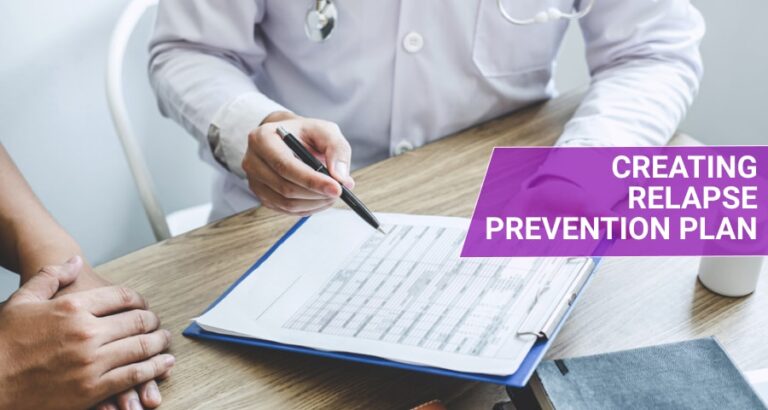
Every person’s recovery journey is unique. An individualized relapse prevention plan identifies personal triggers, warning signs, coping strategies, emergency contacts, and healthy alternatives during difficult moments.

Having a written plan creates confidence and provides guidance when emotions become overwhelming.

Consistent Daily Routines

Structure supports recovery. Establishing regular schedules for sleep, meals, work, exercise, therapy appointments, and personal time creates stability and reduces unnecessary stress.

Why Emotional Health Plays a Critical Role

Many relapses begin long before substance use occurs. Emotional distress often develops gradually, making emotional wellness an essential part of relapse prevention.

Learning Emotional Regulation

Therapy helps individuals recognize difficult emotions without becoming controlled by them. Instead of avoiding sadness, anxiety, frustration, or anger, recovery encourages healthy emotional processing.

Managing Stress Effectively

Life will always include challenges. Learning stress management techniques allows individuals to respond calmly rather than impulsively during difficult situations.

Building Resilience

Resilience is the ability to recover from setbacks without losing sight of long-term goals. Every healthy choice strengthens confidence and reinforces recovery.

The Importance of Ongoing Mental Health Treatment

Many people recovering from addiction also experience anxiety, depression, trauma, or other mental health conditions. Continuing mental health care after rehab is often one of the strongest protections against relapse.

Integrated Care Creates Better Outcomes

Treating addiction and mental health together addresses the root causes of substance use while providing healthier ways to manage emotional challenges.

Continuing Therapy After Rehab

Individual counseling, group therapy, and family counseling provide ongoing support, accountability, and opportunities to strengthen recovery skills over time.

Building a Strong Support Network

Recovery is not meant to happen alone. Positive relationships provide encouragement during both successes and setbacks.

Connecting With Supportive People

Family members, trusted friends, sponsors, therapists, and recovery groups all play valuable roles in maintaining sobriety. Having people to call during difficult moments can make a significant difference.

Learning Healthy Communication

Recovery often involves rebuilding damaged relationships. Honest communication, healthy boundaries, and accountability strengthen personal connections while reducing unnecessary conflict.

Holistic Approaches That Strengthen Recovery

Whole-person healing addresses physical, emotional, mental, and spiritual wellness.

Physical Health Supports Emotional Health

Regular exercise, balanced nutrition, and quality sleep improve mood, increase energy, and reduce stress. These habits create a stronger foundation for recovery.

Mindfulness and Spiritual Growth

Mindfulness encourages individuals to remain present rather than becoming overwhelmed by past regrets or future worries. For those who desire spiritual support, faith-based practices can provide hope, comfort, and renewed purpose throughout recovery.

Preparing for Real-Life Challenges

Successful recovery is not about avoiding every challenge. It is about responding to challenges with healthy tools instead of harmful behaviors.

Developing problem-solving skills, practicing healthy decision-making, and remaining connected to supportive resources all contribute to long-term sobriety. Recovery becomes stronger with every situation successfully navigated.

Conclusion

Preventing relapse after rehab is not about relying on willpower alone. It is about building a recovery toolkit filled with practical skills, healthy coping strategies, emotional resilience, ongoing support, and personalized care. These tools empower individuals to face life’s challenges with confidence while protecting the progress they have worked so hard to achieve.

At Addiction Rehab Success, we are committed to helping every individual build a lasting foundation for recovery. Through compassionate addiction treatment, integrated mental health care, holistic healing, and personalized recovery planning, we provide the guidance and support needed for lifelong sobriety.

If you or someone you love is ready to strengthen their recovery journey, reach out today. The right tools, professional support, and individualized care can help turn lasting recovery into a reality.

Inside Effective Rehab: How Life Skills Training Supports Long-Term Recovery

Successful addiction recovery involves far more than completing detox or attending therapy sessions. While these components are essential, long-term sobriety often depends on something many people overlook: life skills training. Effective rehab programs recognize that recovery is not just about stopping substance use. It is about learning how to navigate everyday challenges, manage emotions, build healthy relationships, and create a stable future without relying on drugs or alcohol.

At Addiction Rehab Success, we believe that lasting recovery is built on a strong foundation of practical skills, emotional growth, and personalized support. Through comprehensive addiction recovery services, mental health treatment, inpatient and outpatient programs, and holistic and faith-based approaches, we help individuals develop the tools they need to thrive long after treatment ends.

Why Life Skills Training Matters in Addiction Recovery

Addiction affects every aspect of a person’s life. It can impact relationships, employment, finances, physical health, emotional well-being, and decision-making abilities. Simply removing substances from the equation does not automatically repair these areas.

Life skills training helps individuals rebuild confidence and independence while preparing them for the realities of everyday life. It provides practical strategies for handling situations that might otherwise become overwhelming or trigger a relapse.

Learning to Live Beyond Addiction

Many people entering treatment have spent years relying on substances to cope with stress, anxiety, disappointment, or emotional pain. Recovery involves replacing those unhealthy coping mechanisms with healthier alternatives that support long-term well-being.

Creating a Foundation for Lasting Sobriety

Recovery is a lifelong journey. The skills learned during treatment serve as building blocks that support stability, resilience, and personal growth long after formal treatment has ended.

Essential Life Skills Effective Rehab Programs Teach

Life skills training addresses the challenges individuals are likely to face after treatment and helps them respond in healthy, productive ways.

Emotional Regulation and Stress Management

One of the most important recovery skills is learning how to manage emotions without turning to substances.

Individuals often work with therapists to identify emotional triggers, recognize unhealthy thought patterns, and develop healthier coping strategies. Techniques such as mindfulness, deep breathing, meditation, and journaling can help reduce stress and improve emotional balance.

When people learn to manage difficult emotions effectively, they are better equipped to handle life’s challenges without jeopardizing their sobriety.

Communication and Relationship Skills

Addiction can strain relationships with family members, friends, coworkers, and partners. Effective rehab programs teach communication skills that promote healthier interactions and stronger support systems.

These skills may include:

  • Active listening
  • Conflict resolution
  • Assertive communication
  • Setting healthy boundaries
  • Rebuilding trust through accountability

Healthy relationships can provide encouragement and support throughout the recovery process.

Decision-Making and Problem-Solving

Recovery often requires making difficult choices. Individuals learn how to evaluate situations carefully, consider consequences, and make decisions that align with their recovery goals.

Problem-solving skills help people approach challenges with confidence rather than reacting impulsively during stressful situations.

The Role of Mental Health Treatment in Skill Development

Many individuals struggling with addiction also experience co-occurring mental health conditions such as anxiety, depression, trauma, or post-traumatic stress disorder.

Addressing Underlying Challenges

When mental health concerns remain untreated, they can make recovery significantly more difficult. Integrated treatment helps individuals understand how their emotional well-being affects their behaviors and choices.

By treating both addiction and mental health conditions simultaneously, individuals gain valuable insight into their recovery journey.

Building Self-Awareness

Self-awareness is one of the most powerful tools in recovery. Therapy helps individuals recognize patterns, identify triggers, and understand the connection between thoughts, emotions, and behaviors.

Greater self-awareness supports healthier decision-making and emotional regulation.

Holistic Approaches That Strengthen Recovery Skills

Effective rehab focuses on healing the whole person, not just the addiction.

Physical Wellness and Recovery

Exercise, nutrition, and healthy sleep habits contribute to both physical and emotional well-being. When individuals feel physically stronger, they are often better equipped to manage stress and maintain motivation.

Mindfulness and Personal Growth

Mindfulness practices encourage individuals to remain present and engaged rather than becoming overwhelmed by past regrets or future worries. These practices can reduce anxiety and improve emotional resilience.

Faith-Based Support and Purpose

For individuals who desire a spiritual component in treatment, faith-based approaches can provide comfort, guidance, and a renewed sense of purpose. Spiritual growth often becomes an important part of the healing process.

Inpatient and Outpatient Programs Provide Opportunities to Practice Skills

Both inpatient and outpatient treatment settings offer valuable opportunities to develop and strengthen recovery skills.

Inpatient Programs

Residential treatment provides a structured environment where individuals can focus entirely on healing while learning new coping strategies and healthy habits.

Outpatient Programs

Outpatient care allows individuals to apply newly learned skills in real-world situations while continuing to receive professional guidance and support.

This combination of learning and practice helps reinforce lasting behavioral change.

Why Personalized Care Makes a Difference

No two recovery journeys are exactly alike. Effective rehab programs recognize that each person faces unique challenges, strengths, and goals.

Individualized treatment plans ensure that life skills training addresses each person’s specific needs. This personalized approach often leads to stronger engagement, better outcomes, and greater confidence in recovery.

Conclusion

The most effective addiction recovery programs do more than help people stop using substances. They teach the practical life skills needed to build a healthier, more fulfilling future. Emotional regulation, communication, stress management, decision-making, and self-awareness are all essential components of long-term recovery success.

At Addiction Rehab Success, we are committed to helping individuals develop these critical skills through compassionate, personalized care. Our comprehensive treatment programs address addiction, mental health, and whole-person wellness so clients can build a strong foundation for lasting sobriety.

If you or a loved one is ready to take the next step toward recovery, reach out today. With the right support, guidance, and life skills, lasting healing and long-term sobriety are within reach.

Why Tools and Skills Matter More Than Willpower in Addiction Recovery Success

Many people believe that overcoming addiction is simply a matter of willpower. While determination and motivation certainly play important roles in recovery, they are rarely enough on their own. Addiction is a complex condition that affects the brain, emotions, behaviors, relationships, and overall well-being. Lasting recovery requires more than a strong desire to stay sober. It requires practical tools, healthy coping strategies, and essential life skills that help individuals navigate everyday challenges without returning to substance use.

At Addiction Rehab Success, we understand that successful recovery is built on preparation, education, and personalized support. Through comprehensive addiction recovery services, mental health treatment, inpatient and outpatient programs, and holistic and faith-based approaches, we help individuals develop the skills they need to create a stable and fulfilling life in recovery.

Why Willpower Alone Often Falls Short

Many individuals enter recovery believing they simply need to “try harder” or “stay strong.” Unfortunately, this mindset can create frustration and self-blame when challenges arise.

Understanding the Nature of Addiction

Addiction changes the way the brain processes rewards, stress, and decision-making. Even highly motivated individuals can struggle when faced with triggers, cravings, or emotional distress. Recovery is not a reflection of personal weakness. It is a process that requires learning new ways to respond to life’s challenges.

The Limits of Motivation

Motivation naturally fluctuates. There will be days when an individual feels strong and confident, and other days when recovery feels difficult. Relying solely on willpower can leave a person vulnerable during moments of stress, fatigue, or emotional pain. Skills and tools provide support even when motivation is low.

The Recovery Tools That Support Long-Term Sobriety

Effective addiction treatment focuses on equipping individuals with practical tools they can use every day.

Healthy Coping Strategies

One of the most valuable skills learned during treatment is how to cope with stress in healthier ways. Instead of turning to substances, individuals learn techniques such as:

  • Mindfulness and meditation
  • Deep breathing exercises
  • Physical activity and movement
  • Journaling and self-reflection
  • Creative outlets such as art or music

These tools help reduce stress and improve emotional regulation.

Trigger Management

Recovery programs teach individuals how to identify personal triggers and develop plans for handling them. Whether triggers involve certain people, places, emotions, or situations, preparation makes it easier to avoid relapse and maintain stability.

Relapse Prevention Planning

Relapse prevention is about more than avoiding substances. It involves recognizing warning signs, developing support systems, and creating action plans for difficult moments. Having a strategy in place increases confidence and reduces risk.

Essential Life Skills Every Recovery Program Should Teach

Lasting recovery depends on skills that support everyday living.

Emotional Regulation

Many individuals used substances to numb difficult emotions or cope with stress. Recovery involves learning how to experience emotions without becoming overwhelmed by them.

Therapy and counseling help individuals identify emotional patterns, process feelings in healthy ways, and build emotional resilience.

Communication Skills

Addiction often affects relationships with family members, friends, and coworkers. Effective treatment teaches individuals how to communicate honestly, set healthy boundaries, and resolve conflicts constructively.

Strong communication skills improve relationships and create a stronger support network.

Problem-Solving and Decision-Making

Life presents challenges every day. Learning how to approach problems thoughtfully and make healthy decisions reduces impulsive behavior and supports long-term recovery goals.

Time Management and Structure

A lack of structure can create stress and increase vulnerability to relapse. Recovery programs help individuals develop routines that support stability, productivity, and self-care.

Why Mental Health Treatment Is Essential

Many individuals struggling with addiction also experience co-occurring mental health conditions such as anxiety, depression, trauma, or mood disorders.

Treating the Whole Person

Addressing addiction without treating underlying mental health concerns often leaves important issues unresolved. Integrated treatment allows individuals to heal emotionally while developing practical recovery skills.

Building Emotional Awareness

Mental health therapy helps individuals better understand their thoughts, emotions, and behaviors. This awareness becomes a powerful tool for making healthier choices and maintaining sobriety.

The Value of Holistic and Faith-Based Support

Recovery involves more than physical healing. It also includes emotional, mental, and spiritual growth.

Holistic Wellness Practices

Activities such as exercise, mindfulness, nutrition planning, and stress management strengthen overall well-being and support recovery from multiple angles.

Finding Purpose and Meaning

Many individuals discover that recovery becomes stronger when they reconnect with personal values, faith, or a sense of purpose. Faith-based approaches can provide hope, encouragement, and direction throughout the healing process.

Building Confidence Through Skill Development

One of the greatest benefits of skill-building is increased confidence. As individuals learn how to manage stress, communicate effectively, solve problems, and maintain healthy routines, they begin to trust themselves again.

Confidence grows through practice, not perfection. Every new skill becomes another layer of protection against relapse and another step toward lasting independence.

Conclusion

Willpower may inspire someone to begin recovery, but tools and skills are what help sustain it. Lasting sobriety requires emotional regulation, healthy coping strategies, effective communication, relapse prevention planning, and ongoing mental health support. These practical abilities empower individuals to face life’s challenges with confidence and resilience.

At Addiction Rehab Success, we believe recovery is about more than stopping substance use. It is about building a healthier, more meaningful life. Through personalized treatment plans, holistic care, mental health support, and evidence-based therapies, we help individuals develop the skills they need to achieve lasting recovery success.

If you or a loved one is ready to take the next step toward a healthier future, reach out today. With the right tools, support, and guidance, long-term recovery is possible.

The Essential Skills Every Addiction Recovery Program Should Teach for Lasting Sobriety

Lasting sobriety is not achieved through detox alone. While detox is an important first step in addiction treatment, it only addresses the physical dependency. True recovery happens when individuals learn the essential life skills needed to manage emotions, navigate stress, rebuild relationships, and make healthy decisions in everyday life. Without these skills, long-term recovery becomes significantly more challenging.

At Addiction Rehab Success, we provide compassionate and individualized care through addiction recovery services, mental health treatment, inpatient and outpatient programs, and holistic and faith-based approaches. Our goal is to ensure every person leaves treatment with the practical tools they need to maintain sobriety and build a stable, meaningful future.

Why Skill Development Is the Heart of Successful Recovery

Recovery is a lifelong process that requires more than motivation. It requires preparation. Skill development helps individuals respond to real-world challenges without returning to substance use.

Moving Beyond Detox and Short-Term Treatment

Detox addresses withdrawal symptoms, but it does not teach individuals how to cope with stress, emotional pain, or life responsibilities. Without additional skills, the risk of relapse increases once treatment ends.

Preparing for Real-Life Challenges

Everyday life includes stress, relationships, financial responsibilities, and unexpected setbacks. Recovery programs that teach practical skills help individuals feel more confident and prepared for these challenges.

Emotional Regulation Skills for Long-Term Sobriety

One of the most important areas of recovery is learning how to manage emotions in healthy ways.

Identifying Emotional Triggers

Understanding what triggers cravings or emotional distress is essential. Individuals learn how to recognize patterns in thoughts, feelings, and environments that may increase relapse risk.

Healthy Coping Strategies

Instead of turning to substances, individuals develop healthier coping tools such as mindfulness, journaling, exercise, breathing techniques, and creative expression.

Building Emotional Resilience

Resilience helps individuals recover from setbacks without returning to old habits. It strengthens confidence and supports long-term emotional stability.

Practical Life Skills That Support Independence

Recovery programs should also focus on everyday skills that support independence and structure.

Time Management and Daily Structure

A consistent routine helps reduce chaos and supports emotional balance. Learning how to manage time effectively creates stability and reduces stress.

Financial Responsibility

Financial stress can be a major trigger in recovery. Learning budgeting and financial planning helps individuals build independence and reduce anxiety.

Problem-Solving and Decision-Making

Strong decision-making skills help individuals evaluate choices, understand consequences, and respond thoughtfully in difficult situations.

Communication and Relationship Skills

Addiction often damages trust and communication within relationships. Recovery includes rebuilding these important areas.

Setting Healthy Boundaries

Boundaries protect sobriety by limiting exposure to harmful influences and unhealthy environments. Learning to set boundaries is a critical recovery skill.

Rebuilding Trust

Trust is restored through consistency, honesty, and accountability over time. Recovery programs help individuals understand how actions rebuild relationships.

Improving Communication

Effective communication reduces conflict and strengthens relationships. Individuals learn how to express needs clearly and listen with understanding.

Mental Health Skills for Sustainable Recovery

Many individuals in recovery also experience mental health challenges such as anxiety, depression, or trauma. Addressing these is essential for long-term success.

Integrated Mental Health Treatment

When addiction and mental health are treated together, individuals gain a deeper understanding of their behaviors and emotional responses. This leads to stronger recovery outcomes.

Developing Self-Awareness

Self-awareness helps individuals recognize how thoughts, emotions, and actions are connected. This insight supports healthier decision-making.

Emotional Stability Through Therapy

Ongoing therapy helps individuals process emotions, develop coping strategies, and maintain stability during recovery.

Holistic Skills That Support Mind, Body, and Spirit

Holistic approaches strengthen recovery by promoting overall wellness.

Physical Wellness Habits

Exercise, nutrition, and sleep are essential for maintaining energy, focus, and emotional balance.

Mindfulness and Stress Reduction

Mindfulness techniques help individuals stay present and reduce anxiety, improving emotional regulation.

Purpose and Meaning in Recovery

For many individuals, finding purpose provides motivation and direction. Faith-based or values-driven approaches can offer additional support.

Conclusion: Skills That Build Lifelong Recovery

The essential skills taught in effective addiction recovery programs go far beyond detox. Emotional regulation, communication, decision-making, and daily life management all play a critical role in maintaining long-term sobriety. These skills help individuals rebuild their lives with confidence, stability, and purpose.

At Addiction Rehab Success, we are committed to helping individuals develop these essential skills through compassionate, personalized, and holistic care. Our programs are designed not only to support recovery, but to prepare each person for lasting success in everyday life.

If you or someone you love is ready to begin the journey toward lasting sobriety, reach out today. With the right skills and support, long-term recovery is possible.

Why Skill-Building Is the Missing Link in Many Addiction Recovery Journeys

Many addiction recovery journeys begin with detox and structured treatment, yet struggle once individuals return to everyday life. The reason is not lack of effort or motivation. More often, it is the absence of practical life skills needed to navigate stress, emotions, relationships, and real-world responsibilities. Skill-building is the missing link that transforms short-term sobriety into long-term recovery success.

At Addiction Rehab Success, we provide compassionate, individualized care through addiction recovery services, mental health treatment, inpatient and outpatient programs, and holistic and faith-based approaches. Our focus is on equipping individuals with the skills and tools necessary to maintain sobriety and build a stable, meaningful life beyond treatment.

Understanding the Gap Between Treatment and Real Life

Rehab provides structure, guidance, and support. However, life outside of treatment is unpredictable and often stressful. Without proper preparation, individuals may feel overwhelmed when facing daily responsibilities on their own.

Detox and Therapy Are Only the Beginning

Detox addresses physical dependence, and therapy addresses emotional healing. While both are essential, they do not always fully prepare individuals for independent living.

Life Outside Treatment Requires Practical Skills

Managing finances, handling stress, maintaining relationships, and making healthy decisions are all part of daily life. These skills are critical for sustaining recovery but are sometimes underemphasized in traditional treatment models.

 Emotional Skill-Building as the Foundation of Recovery

Emotional regulation is one of the most important areas of skill development in recovery. Without it, individuals may struggle to cope with stress or difficult emotions.

Recognizing Emotional Triggers

Skill-building helps individuals identify what situations, people, or emotions may lead to cravings or relapse. Awareness is the first step in preventing harmful patterns.

Developing Healthy Coping Strategies

Instead of turning to substances, individuals learn healthier ways to manage emotions. These include mindfulness techniques, breathing exercises, journaling, physical activity, and reaching out for support.

Strengthening Emotional Resilience

Resilience allows individuals to recover from setbacks without returning to substance use. It builds confidence and helps people face challenges with greater stability.

Practical Life Skills That Support Long-Term Sobriety

Recovery is not only emotional. It is also practical. Life skills help individuals create structure and stability in their everyday lives.

Time Management and Routine Building

A consistent daily routine helps reduce stress and create predictability. Learning how to manage time effectively supports responsibility and balance.

Financial Responsibility

Financial stress is a common relapse trigger. Skill-building programs often include budgeting, planning, and responsible financial decision-making to support independence.

Problem-Solving and Decision-Making

Life is full of challenges. Learning how to evaluate situations, consider consequences, and make thoughtful decisions helps individuals stay aligned with their recovery goals.

Communication and Relationship Skills in Recovery

Addiction often damages relationships, making communication skills an essential part of recovery.

Setting Healthy Boundaries

Boundaries protect sobriety by limiting exposure to harmful environments and relationships. Learning to set and maintain boundaries is a key recovery skill.

Rebuilding Trust and Connection

Trust takes time to rebuild. Skill-building helps individuals understand how consistent actions, honesty, and accountability restore relationships over time.

Improving Communication

Clear communication reduces conflict and misunderstanding. Individuals learn how to express needs, listen actively, and navigate difficult conversations in healthier ways.

Mental Health and Skill Development

Many individuals in recovery also experience mental health challenges such as anxiety, depression, or trauma. Addressing these concerns is essential for effective skill-building.

Integrated Treatment for Stronger Outcomes

When addiction and mental health are treated together, individuals gain a deeper understanding of their behaviors and emotions. This improves their ability to apply recovery skills effectively.

Self-Awareness as a Core Skill

Self-awareness helps individuals understand how thoughts, emotions, and actions are connected. This awareness supports better decision-making and emotional control.

Continued Support After Treatment

Ongoing therapy or support groups help reinforce skills learned in treatment and provide accountability during early recovery.

Holistic Skill-Building for Whole-Person Recovery

Holistic care strengthens recovery by supporting the mind, body, and spirit together.

Physical Wellness Habits

Exercise, nutrition, and sleep play a major role in emotional stability and energy levels. Healthy habits support long-term recovery success.

Mindfulness and Stress Management

Mindfulness practices help individuals stay present, reduce anxiety, and improve emotional control during stressful situations.

Purpose and Meaning in Recovery

For many, finding purpose is a powerful motivator. Faith-based or values-driven approaches can help individuals stay grounded and focused on long-term goals.

Conclusion: Skill-Building Is the Key to Lasting Recovery

Skill-building is often the missing link in addiction recovery. While detox and treatment are essential starting points, it is the development of emotional, practical, and relational skills that supports long-term sobriety. These skills empower individuals to manage stress, make healthier decisions, and build a stable and fulfilling life.

At Addiction Rehab Success, we are committed to helping individuals develop the skills they need for lasting recovery through personalized, compassionate, and holistic care. Our programs are designed to prepare each person not just for treatment, but for life beyond it.

If you or someone you love is ready to begin a stronger path toward recovery, reach out today. With the right skills and support, lasting sobriety is possible.

From Treatment to Independence: Skills That Help Sustain Addiction Recovery Success

Transitioning from structured addiction treatment to independent living is one of the most important and vulnerable stages of recovery. While treatment provides safety, guidance, and support, long-term success depends on how well individuals apply what they have learned once they return to everyday life. True recovery is not defined by completing a program. It is defined by the ability to maintain stability, make healthy decisions, and continue growing without returning to substance use.

At Addiction Rehab Success, we provide compassionate, individualized care through addiction recovery services, mental health treatment, inpatient and outpatient programs, and holistic and faith-based approaches. Our focus is to help individuals build the essential skills needed to move from treatment into lasting independence with confidence and support.

Why Independence Is a Critical Stage in Recovery

Leaving treatment can feel empowering, but it can also bring uncertainty. Without the structure of rehab, individuals must rely on the skills they developed during care to navigate real-world challenges.

Adjusting to Life After Structured Treatment

In rehab, routines are predictable and support is readily available. In independent living, individuals must create their own structure, manage responsibilities, and make decisions that support sobriety.

The Importance of Preparedness

Those who leave treatment with strong coping tools and life skills are more likely to maintain long-term recovery. Preparation reduces stress and helps prevent relapse during moments of vulnerability.

Emotional Skills That Support Long-Term Stability

Emotional regulation is one of the most important foundations for maintaining sobriety after treatment.

Recognizing Emotional Triggers

Understanding what triggers stress, cravings, or emotional discomfort helps individuals respond more intentionally. Awareness is the first step in preventing relapse.

Managing Stress Without Substances

Healthy coping strategies such as mindfulness, breathing exercises, journaling, and physical activity help individuals manage emotional pressure in constructive ways.

Building Emotional Resilience

Resilience allows individuals to recover from setbacks without returning to old patterns. It strengthens confidence and supports long-term emotional stability.

Practical Life Skills for Independent Living

Independence requires more than emotional strength. It also requires practical skills that support daily structure and responsibility.

Time Management and Routine Building

Creating a daily routine helps establish stability. Managing time effectively reduces stress and keeps individuals focused on recovery goals.

Financial Responsibility

Learning how to manage finances, budget, and plan for expenses is an important part of independence. Financial stability reduces stress and supports long-term recovery success.

Problem-Solving Skills

Life challenges are unavoidable. Developing the ability to assess situations, evaluate options, and make thoughtful decisions helps individuals stay grounded during difficult moments.

Relationship and Communication Skills

Healthy relationships play a major role in maintaining sobriety. Recovery often involves rebuilding trust and improving communication.

Setting Healthy Boundaries

Boundaries protect recovery by limiting exposure to harmful influences and unhealthy environments. Learning to say no is a powerful recovery skill.

Strengthening Communication

Clear and respectful communication helps rebuild relationships with family, friends, and coworkers. It also reduces misunderstandings and emotional conflict.

Rebuilding Trust Over Time

Trust is earned through consistency, honesty, and accountability. Recovery programs emphasize the importance of steady progress rather than perfection.

Mental Health Support in Independent Recovery

Many individuals in recovery also face mental health challenges such as anxiety, depression, or trauma. Addressing these concerns is essential for long-term stability.

Integrated Care for Lasting Healing

When addiction and mental health are treated together, individuals gain a deeper understanding of their behaviors and emotional responses. This integrated approach improves recovery outcomes.

Continuing Therapy and Support

Ongoing counseling or support groups help individuals stay accountable and continue developing healthy coping strategies after treatment.

Self-Awareness as a Recovery Tool

Understanding thoughts, emotions, and behaviors helps individuals make better choices and maintain emotional balance in daily life.

Holistic Skills for a Balanced Lifestyle

Holistic approaches support recovery by focusing on physical, emotional, and spiritual well-being.

Physical Wellness Habits

Exercise, proper nutrition, and adequate sleep all contribute to improved mood, energy, and emotional stability.

Mindfulness and Stress Reduction

Mindfulness practices help individuals stay present and reduce anxiety. These techniques strengthen emotional control and focus.

Purpose and Spiritual Growth

For those who choose it, spiritual practices can provide meaning, direction, and hope during recovery, strengthening long-term motivation.

Conclusion: Building a Life Beyond Treatment

Moving from treatment to independence is a significant step in the recovery journey. It requires emotional strength, practical life skills, and ongoing support. When individuals learn how to manage stress, build healthy relationships, and maintain structure in daily life, they are better equipped to sustain long-term sobriety.

At Addiction Rehab Success, we are committed to helping individuals successfully transition from treatment into independent living through compassionate, personalized, and holistic care. Our programs are designed to equip clients with the skills they need not only to recover, but to thrive.

If you or someone you love is ready to take the next step toward lasting recovery, reach out today. A stable, healthy, and independent life is possible with the right tools and support.

The Tools of Recovery: How Addiction Rehab Prepares You for Real-World Challenges

Recovery is not just about stopping substance use. It is about learning how to live in a way that supports long-term stability, emotional balance, and personal growth. Many people assume rehab is focused only on detox or short-term treatment, but effective addiction care goes much deeper. It equips individuals with practical tools that help them navigate real-world challenges long after they leave treatment.

At Addiction Rehab Success, we provide compassionate and individualized care through addiction recovery services, mental health treatment, inpatient and outpatient programs, and holistic and faith-based approaches. Our focus is on preparing each person for life beyond treatment by building the skills and confidence needed for lasting recovery.

Why Recovery Tools Matter in Everyday Life

Real-world challenges do not pause after rehab. Stress, responsibilities, relationships, and unexpected setbacks are all part of daily life. Without the right tools, these experiences can become overwhelming and increase the risk of relapse.

Bridging the Gap Between Treatment and Daily Living

Rehab provides structure and support, but life after treatment requires independence. Recovery tools help bridge this gap by giving individuals practical strategies they can use in real situations.

Reducing Risk Through Preparation

When individuals are prepared for challenges, they are less likely to feel overwhelmed. Preparation builds confidence and reduces impulsive reactions that can lead to relapse.

Emotional Regulation Tools That Strengthen Recovery

Emotional stability is one of the most important foundations of long-term sobriety. Rehab programs teach individuals how to understand and manage their emotions in healthy ways.

H3: Identifying Emotional Triggers

Awareness is the first step in emotional regulation. Individuals learn how to recognize situations, thoughts, or feelings that may lead to cravings or distress.

Healthy Coping Strategies

Instead of relying on substances, individuals develop healthier coping tools such as breathing techniques, mindfulness, journaling, physical activity, and grounding exercises. These strategies help manage stress and emotional discomfort.

Building Emotional Resilience

Recovery involves facing challenges without returning to old habits. Emotional resilience helps individuals recover from setbacks and continue moving forward with confidence.

Practical Life Skills for Real-World Success

In addition to emotional tools, rehab focuses on building everyday life skills that support independence and stability.

Time Management and Routine Building

Structured routines help reduce chaos and create stability. Learning how to manage time effectively supports responsibility, focus, and balance in daily life.

Decision-Making Skills

Strong decision-making is essential for avoiding high-risk situations. Individuals learn how to pause, evaluate consequences, and make choices that support their recovery goals.

Problem-Solving in Difficult Situations

Life is unpredictable. Rehab teaches individuals how to approach problems calmly, explore solutions, and respond thoughtfully instead of reacting impulsively.

Communication and Relationship Tools

Addiction often affects relationships, trust, and communication patterns. Recovery includes rebuilding these areas in a healthy and sustainable way.

Setting Healthy Boundaries

Boundaries are essential for protecting sobriety. Individuals learn how to recognize unhealthy relationships and establish limits that support emotional well-being.

Improving Communication Skills

Clear communication helps rebuild trust and strengthen relationships. Rehab teaches active listening, respectful expression of needs, and conflict resolution techniques.

Rebuilding Trust Over Time

Trust is not restored overnight. Recovery programs emphasize consistency, accountability, and honesty as key steps in repairing relationships.

Mental Health Tools That Support Long-Term Recovery

Many individuals in recovery also face mental health challenges such as anxiety, depression, or trauma. Addressing these conditions is essential for lasting healing.

H3: Integrated Mental Health Treatment

When addiction and mental health are treated together, individuals gain a deeper understanding of their behaviors and emotional patterns. This integrated approach leads to stronger outcomes.

Developing Self-Awareness

Self-awareness helps individuals understand how their thoughts, emotions, and behaviors are connected. This awareness supports better decision-making and emotional control.

Building Inner Stability

Therapy and counseling help individuals develop a stronger sense of inner stability, making it easier to handle stress without turning to substances.

Holistic Tools That Strengthen Mind, Body, and Spirit

Holistic care supports recovery by focusing on overall well-being, not just addiction symptoms.

Physical Wellness Practices

Exercise, nutrition, and sleep all play a role in emotional and physical recovery. A healthy body supports a healthy mind.

Mindfulness and Stress Reduction

Mindfulness practices help individuals stay present and reduce anxiety. These tools improve focus and emotional balance.

Spiritual and Purpose-Driven Support

For those who choose it, faith-based care can provide meaning, hope, and direction throughout the recovery journey.

Conclusion: Building a Life Equipped for Recovery Success

The tools of recovery go far beyond detox or temporary treatment. They include emotional regulation, communication skills, mental health support, and practical life strategies that help individuals navigate real-world challenges with confidence. These tools are what transform recovery into a sustainable, lifelong journey.

At Addiction Rehab Success, we are committed to helping individuals build these essential skills through personalized, compassionate, and holistic care. Our programs are designed to prepare each person not just for treatment, but for life beyond it.

If you or someone you love is ready to take the next step toward lasting recovery, reach out today. With the right tools and support, a stable and fulfilling life in sobriety is possible.

What Successful Rehab Really Teaches: Life Skills That Go Beyond Detox and Treatment

Many people entering addiction treatment believe recovery begins and ends with detox. While detox is an important first step, lasting sobriety requires far more than removing substances from the body. True recovery involves learning how to manage emotions, rebuild relationships, handle stress, and create a healthy, stable lifestyle. Successful rehab programs focus on teaching practical life skills that help individuals maintain long-term recovery and regain control of their future.

At Addiction Rehab Success, we provide compassionate, individualized care through addiction recovery services, mental health treatment, inpatient and outpatient programs, and holistic and faith-based approaches. Our programs are designed to support the whole person by helping clients develop the emotional, mental, and practical skills necessary for sustainable healing.

Why Detox Alone Is Not Enough

Detox addresses the physical effects of addiction, but it does not resolve the deeper emotional and behavioral patterns connected to substance use. Many individuals return to familiar environments and challenges after treatment, making life skills essential for maintaining progress.

Understanding the Emotional Side of Addiction

Addiction often develops alongside stress, trauma, anxiety, depression, or unresolved emotional pain. Without learning healthier ways to cope with these challenges, the risk of relapse can remain high.

Preparing for Real-Life Challenges

Recovery does not happen in isolation. Individuals must learn how to navigate work pressures, family dynamics, social situations, and personal responsibilities without relying on substances. Rehab helps prepare clients for these real-world experiences.

Emotional Skills That Strengthen Recovery

Emotional regulation is one of the most important lessons taught in successful rehab programs. Learning how to understand and manage emotions creates a stronger foundation for sobriety.

Identifying Triggers and Patterns

Recovery begins with awareness. Individuals learn how to recognize emotional triggers, unhealthy thought patterns, and situations that may increase the risk of relapse. This awareness allows for healthier responses and better decision-making.

Developing Healthy Coping Strategies

Successful rehab teaches healthier alternatives to substance use. Techniques such as mindfulness, journaling, exercise, breathing exercises, and meditation help individuals manage stress and emotional discomfort in productive ways.

Building Emotional Resilience

Life will always include challenges, setbacks, and stressful moments. Emotional resilience helps individuals recover from difficulties without returning to harmful behaviors. Over time, resilience builds confidence and strengthens long-term recovery.

Communication and Relationship Skills

Addiction can create distance, mistrust, and conflict within relationships. Rehab programs help individuals rebuild healthy communication habits and strengthen their support systems.

Learning Healthy Boundaries

Setting boundaries is essential for protecting recovery. Individuals learn how to avoid toxic environments, manage unhealthy relationships, and prioritize their emotional well-being.

H3: Improving Communication Skills

Clear and respectful communication supports healthier interactions with family members, friends, and coworkers. Rehab often includes strategies for active listening, conflict resolution, and expressing emotions in constructive ways.

H3: Rebuilding Trust Through Consistency

Trust is rebuilt over time through honesty, accountability, and dependable behavior. Recovery programs encourage individuals to focus on steady progress rather than immediate perfection.

H2: Practical Life Skills for Everyday Stability

Successful recovery requires structure and balance. Practical life skills help individuals create routines that support emotional and physical wellness.

H3: Time Management and Daily Structure

A healthy routine provides stability and reduces stress. Individuals learn how to organize responsibilities, maintain schedules, and develop habits that support sobriety.

H3: Goal Setting and Personal Growth

Setting realistic goals helps individuals stay motivated and focused on the future. Recovery programs encourage growth in areas such as education, employment, relationships, and personal wellness.

H3: Decision-Making and Problem-Solving

Effective decision-making reduces impulsive behavior and helps individuals respond thoughtfully during difficult situations. Learning problem-solving skills creates greater confidence and independence.

H2: The Importance of Integrated Mental Health Care

Mental health and addiction are deeply connected. Many individuals struggling with substance use also experience anxiety, depression, trauma, or other co-occurring conditions.

H3: Treating the Whole Person

Integrated treatment addresses both addiction and mental health simultaneously. This approach helps individuals understand the underlying causes of substance use while developing healthier coping mechanisms.

H3: Personalized Treatment for Better Outcomes

Every recovery journey is unique. Individualized care plans ensure that treatment aligns with each client’s emotional, physical, and personal needs, creating a stronger path toward long-term sobriety.

H2: Holistic and Faith-Based Approaches to Healing

Holistic recovery methods support overall well-being by focusing on the mind, body, and spirit.

H3: Physical Wellness and Stress Reduction

Exercise, proper nutrition, mindfulness, and restorative sleep all contribute to emotional stability and physical recovery.

H3: Spiritual Growth and Purpose

For those who choose faith-based support, spiritual guidance can provide hope, direction, and a renewed sense of purpose throughout recovery.

H2: Conclusion: Recovery Is About Learning How to Live Again

Successful rehab teaches far more than how to stop using substances. It teaches individuals how to build healthier relationships, manage emotions, make thoughtful decisions, and create meaningful routines that support lasting sobriety. These life skills are what transform recovery from a temporary achievement into a lifelong process of growth and healing.

At Addiction Rehab Success, we are committed to helping individuals build a strong foundation for lasting recovery through compassionate, personalized, and holistic care. Our programs provide the tools and support needed to navigate life beyond detox and treatment with confidence and hope.

If you or someone you love is ready to begin a healthier path forward, reach out today. Lasting recovery is possible with the right support, guidance, and life skills in place.

Building a Strong Recovery Foundation: Essential Skills That Support Long-Term Sobriety

Long-term sobriety is not achieved by chance. It is built through consistent effort, structured support, and the development of essential life skills that help individuals navigate real-world challenges. While completing detox or a rehab program is an important milestone, it is the foundation built during treatment that determines how sustainable recovery will be. Without the right skills in place, even strong motivation can become difficult to maintain when life gets overwhelming.

At Addiction Rehab Success, we provide compassionate, individualized care through addiction recovery services, mental health treatment, inpatient and outpatient programs, and holistic and faith-based approaches. Our focus is not only on helping individuals stop substance use, but also on equipping them with the skills needed to build a stable, meaningful, and long-term recovery.

Why a Strong Recovery Foundation Matters

Recovery is a lifelong process that extends far beyond treatment. A strong foundation helps individuals stay grounded when facing stress, triggers, or emotional challenges. It creates stability during moments of uncertainty and provides tools to respond to life without returning to substance use.

Moving Beyond Short-Term Change

Many people can stop using substances for a short period, but maintaining sobriety requires deeper transformation. A strong foundation ensures that recovery is not dependent on motivation alone, but supported by practical skills and healthy habits.

H3: Reducing Vulnerability to Relapse

Relapse often occurs when individuals feel unprepared for emotional or environmental stressors. Building core recovery skills reduces this vulnerability and strengthens long-term resilience.

Essential Skills That Support Long-Term Sobriety

Effective addiction treatment focuses on teaching practical skills that individuals can apply in everyday life. These skills help create structure, improve decision-making, and support emotional well-being.

Emotional Awareness and Regulation

Understanding emotions is a critical part of recovery. Individuals learn how to identify emotional triggers, recognize patterns, and manage feelings in healthy ways. Techniques such as mindfulness, grounding exercises, and reflection help improve emotional stability.

Healthy Coping Strategies

Instead of turning to substances during stress, individuals develop healthier coping mechanisms. These may include physical activity, journaling, creative expression, breathing techniques, or reaching out to support systems. These strategies provide safe alternatives during difficult moments.

Communication and Relationship Skills

Addiction often strains relationships. Learning how to communicate clearly, set boundaries, and rebuild trust is essential for long-term recovery. Strong relationships provide emotional support and reduce isolation, which is a common relapse risk factor.

Problem-Solving and Decision-Making

Recovery requires the ability to make thoughtful decisions, especially in high-pressure situations. Individuals learn how to evaluate consequences, consider alternatives, and respond rather than react impulsively.

Creating Structure for Daily Stability

A stable routine plays a major role in maintaining sobriety. Structure helps reduce chaos, increase predictability, and support healthier habits.

Establishing Consistent Routines

Daily routines that include sleep, nutrition, exercise, and personal responsibilities help stabilize both physical and emotional health. Consistency reinforces positive behavior patterns.

Time Management Skills

Learning how to manage time effectively reduces stress and prevents overwhelm. Planning the day ahead helps individuals stay focused and avoid idle time that may lead to cravings.

Building Positive Lifestyle Habits

Engaging in healthy activities such as hobbies, volunteering, or social connection helps replace old patterns with meaningful routines. These habits support emotional balance and personal growth.

The Role of Mental Health in Recovery Foundations

Mental health is closely connected to addiction recovery. Many individuals face co-occurring conditions such as anxiety, depression, or trauma that must be addressed alongside substance use.

Integrated Treatment for Whole-Person Healing

When mental health and addiction are treated together, individuals gain a deeper understanding of their challenges. This integrated approach strengthens recovery skills and improves long-term outcomes.

Emotional Stability and Resilience

As mental health improves, individuals become more capable of managing stress and applying recovery skills effectively. Emotional stability is a key factor in maintaining sobriety.

Holistic and Personalized Care for Stronger Recovery

Holistic care supports the mind, body, and spirit, creating balance and reinforcing recovery foundations.

Mindfulness and Stress Reduction Practices

Techniques such as meditation, yoga, and breathing exercises help reduce anxiety and improve focus. These practices support emotional regulation and resilience.

Physical Wellness and Nutrition

Proper nutrition, regular exercise, and healthy sleep habits strengthen both physical and mental recovery. A healthy body supports a healthy mind.

Faith-Based and Purpose-Driven Support

For individuals who choose it, faith-based care can provide meaning, direction, and hope. Purpose-driven recovery strengthens motivation and emotional grounding.

Conclusion: Building a Foundation for Lifelong Recovery

A strong recovery foundation is built through consistent skill development, emotional growth, and structured support. When individuals learn how to manage emotions, build healthy relationships, and create stable routines, they are far better equipped to maintain long-term sobriety. Recovery becomes not just about avoiding substances, but about building a fulfilling and meaningful life.

At Addiction Rehab Success, we are committed to helping individuals develop the essential skills needed for lasting recovery. Through compassionate, individualized, and holistic care, we guide clients toward a stronger foundation and a brighter future.

If you or a loved one is ready to begin building a stable path to recovery, reach out today. Support is available, and lasting sobriety is possible with the right foundation in place.